Weather forecasting is the application of science and technology to predict the state of the
atmosphere
for a given location. Human beings have attempted to predict the
weather informally for millennia, and formally since the nineteenth
century. Weather forecasts are made by collecting quantitative
data about the current state of the atmosphere on a given place and using
scientific understanding of atmospheric processes to project how the atmosphere will evolve on that place.
Once an all-human endeavor based mainly upon changes in
barometric pressure, current weather conditions, and sky condition, weather forecasting now relies on
computer-based models
that take many atmospheric factors into account. Human input is still
required to pick the best possible forecast model to base the forecast
upon, which involves pattern recognition skills,
teleconnections, knowledge of model performance, and knowledge of model biases. The
chaotic
nature of the atmosphere, the massive computational power required to
solve the equations that describe the atmosphere, error involved in
measuring the initial conditions, and an incomplete understanding of
atmospheric processes mean that forecasts become less accurate as the
difference in current time and the time for which the forecast is being
made (the
range of the forecast) increases. The use of ensembles and model consensus help narrow the error and pick the most likely outcome.
There
are a variety of end uses to weather forecasts. Weather warnings are
important forecasts because they are used to protect life and property.
Forecasts based on
temperature and
precipitation are important to
agriculture,
and therefore to traders within commodity markets. Temperature
forecasts are used by utility companies to estimate demand over coming
days. On an everyday basis, people use weather forecasts to determine
what to wear on a given day. Since outdoor activities are severely
curtailed by heavy rain, snow and the
wind chill, forecasts can be used to plan activities around these events, and to plan ahead and survive them.


 Improve Memory
 Live Longer?
 Curb Inflammation
 Spur Creativity
 Be A Winner
 Improve Your Grades
 Sharpen Attention
 Have A Healthy Weight
 Lower Stress
 Avoid Accidents
 Steer Clear Of Depression
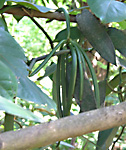
  Pleasantly fragrant rich vanilla beans are the
pods or fruits obtained from a tropical climbing orchid. Mayans used
them to flavor chocolate drink centuries before Spanish first set their
foot in Mexico in 1520. This highly prized bean is native to tropical
rain forest of Central America and only recently spread to other
tropical-regions by Spanish explorers.
Pleasantly fragrant rich vanilla beans are the
pods or fruits obtained from a tropical climbing orchid. Mayans used
them to flavor chocolate drink centuries before Spanish first set their
foot in Mexico in 1520. This highly prized bean is native to tropical
rain forest of Central America and only recently spread to other
tropical-regions by Spanish explorers.



 An airport police officer and a sniffer dog patrol the NAIA Terminal 3
in Pasay City on Monday. Airport security was heightened after three
people were arrested after a vehicle was found at the parking lot of the
terminal which contained improvised explosive devices.
An airport police officer and a sniffer dog patrol the NAIA Terminal 3
in Pasay City on Monday. Airport security was heightened after three
people were arrested after a vehicle was found at the parking lot of the
terminal which contained improvised explosive devices.  Gilas Pilipinas center, Andray Blatche, soars over four Argentinian
players in their group B match at the 2014 FIBA World Cup of Basketball
in Sevilla, Spain on Monday. The Philippines lost another close match
with an 85-81 squeaker to world number three Argentina.
Gilas Pilipinas center, Andray Blatche, soars over four Argentinian
players in their group B match at the 2014 FIBA World Cup of Basketball
in Sevilla, Spain on Monday. The Philippines lost another close match
with an 85-81 squeaker to world number three Argentina.


